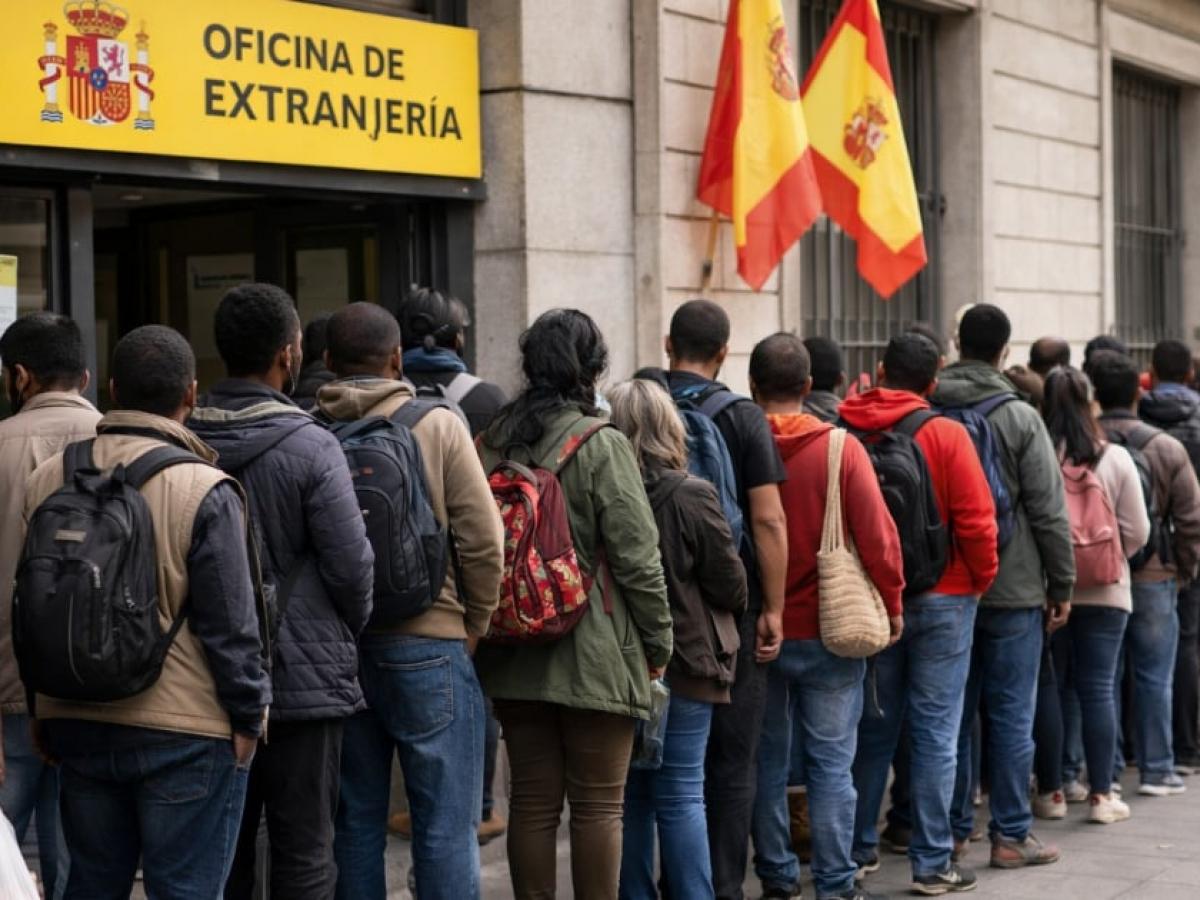
Updated 8 August 2026: Spain's extraordinary regularisation is no longer open for new applications. The deadline was 30 June 2026. If you submitted before the deadline, the useful question now is not whether the process will happen, but what happens to your file and what you should do next.
As an immigrant myself, I know how much hope this process created. I also know how quickly old information keeps circulating through WhatsApp groups and social media. That is why this guide now starts with the current position, based on the published law and the latest official balance available.
Is Spain's extraordinary regularisation still open?
No. The measure was approved through Real Decreto 316/2026, published in the BOE on 15 April 2026. Applications opened on 16 April and closed on 30 June 2026.
The Ministry's official balance of 2 July reported 1,174,978 applications registered, of which 609,737 had already been processed. It also reported 159,097 Social Security registrations linked to the process by 30 June. You can read that official update from the Ministry of Inclusion.
If someone is still offering to submit a brand-new application under this closed window, stop and verify the situation before paying. A pending file, a request to correct documents and a new application are three different things.
I applied before 30 June. What happens now?
Your file still has to be reviewed by the competent authority. The Real Decreto establishes a maximum resolution period of three months for the extraordinary routes. That does not mean every case will move at exactly the same speed: missing documents, a request for correction or the facts of a particular case can affect the timeline.
You can check the status through the official Extranjeria case-status service. Keep the receipt from your application, your expediente number and every notification together. Do not rely only on a WhatsApp message or on someone else's timeline.
Can I work while the application is pending?
The law provides provisional authorisation to reside and work once the administration communicates the start of processing in the qualifying procedures. The safest document is the official communication in your own file. Do not assume that a submission receipt and an admission-to-processing notice have the same effect.
If you are unsure what your notification allows, ask a qualified immigration professional to read the document itself. This is one of those moments when a five-minute legal check is better than acting on a general internet answer.
Who did the 2026 regularisation cover?
Real Decreto 316/2026 created two main extraordinary routes:
- Certain applicants for international protection whose application had been made before 1 January 2026 and who met the other conditions in the law.
- Arraigo extraordinario for eligible people who were in Spain before 1 January 2026 and could prove the required connection through work or an intention to work, qualifying family circumstances, or an officially recognised situation of vulnerability, together with the remaining legal requirements.
The regulation also included specific protection for qualifying children. These details matter because two people who arrived at the same time can still have different legal routes.
What documents should I keep ready?
If your application is pending, keep the exact evidence you submitted and the originals behind it. Depending on the route and the individual file, that may include:
- Proof of presence in Spain, such as padrón records, rental documents, medical records or other dated evidence.
- Passport or another accepted identity or travel document.
- Criminal-record certificates and, where required, apostilles or legalisation and sworn translations.
- Evidence connected to employment, family circumstances or vulnerability.
- Your submission receipt, expediente number and every later notification.
If the administration sends a requerimiento, read the deadline carefully. A request for more information is not automatically a refusal, but ignoring it can damage an otherwise viable application.
What if I missed the 30 June deadline?
The extraordinary 2026 window cannot now be used for a new application. That does not necessarily mean there is no route available to you. Spain's ordinary immigration framework includes different forms of arraigo and other residence options, but the correct path depends on your history, current status, family links and documents.
This is where I would not recommend copying a checklist from someone else's case. Ask an immigration lawyer or authorised professional to review your facts and tell you which current route, if any, fits.
After approval: the practical steps people forget
A favourable resolution is a huge moment, but it is not the last piece of administration. You may still need to arrange your fingerprint appointment, prepare the EX-17 and fee, obtain your TIE and organise padrón or Social Security steps.
That practical side is where Virtual Assistant in Madrid can help. We assist with difficult appointments, document organisation and preparation for padrón, NIE and TIE procedures. When a question requires legal interpretation, we refer it to a specialised immigration lawyer rather than pretending an administrative service is legal advice.
If your resolution has arrived and you are stuck at the next appointment, write to us on WhatsApp and tell us which step you are on.
This article provides general administrative information and is not individual legal advice. For decisions about eligibility, appeals, refusals or the legal effect of a notification, consult a qualified immigration professional.